

Mental Health Billing Resources for Providers and Practice Managers
Mental health billing resources written by people who bill for mental health practices every day. Start with codes, denials, and payer rules.
Get My Free ConsultationBrowse the blogStart here
These three guides answer the questions we hear most from solo and group practices. Each one shows its sources, so you can check the rule yourself. They draw on the Centers for Medicare & Medicaid Services (CMS) and on AMA CPT code definitions.
CPT & E/M Code Guide
Every therapy and psychiatry code, with time ranges and documentation rules.
Read the guide →Psychotherapy codes 90832, 90834 and 90837
How the three most common psychotherapy codes differ, and when to bill each.
Read the guide →Frequency and documentation requirements
What payers expect in your notes and how often they expect sessions to be justified.
Read the guide →Browse mental health billing resources by topic
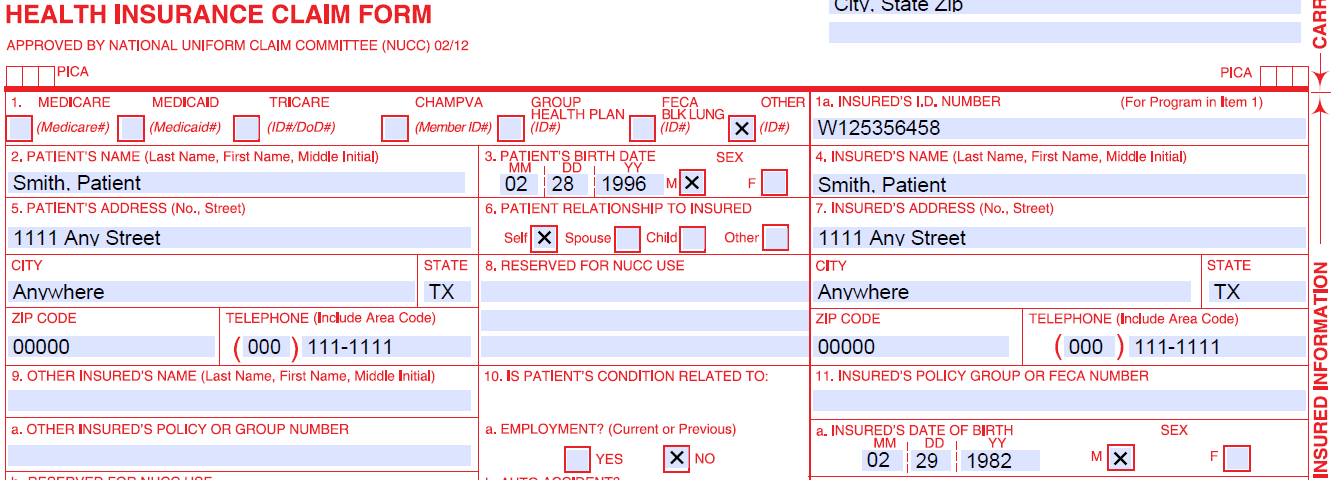
Our mental health billing resources cover nine topic areas across the billing cycle from codes to credentialing. Guides marked coming soon are being written and checked against current payer and government sources before they go live. Claim form questions? The National Uniform Claim Committee (NUCC) maintains the CMS-1500 form instructions.
CPT & Billing Code Guides
The codes, time ranges, and modifiers, explained.
Read the guide →State & Regional Billing Guides
Payer and Medicaid rules, state by state.
Read the guide →Telehealth & In-Home Billing Rules
Place of service, modifiers, and payer differences.
Read the guide →Private Practice Management
The business side of running a practice: revenue, costs, staff, software and compliance.
Read the guide →Billing Service Information
How medical billing services get paid, from percentage of collections to flat fees.
Read the guide →Billing Terms Glossary
Every billing term, defined in plain English.
Read the guide →Claim Denials & Appeals
Why claims are denied, and how appeals work.
Read the guide →Payer Policy Updates & Alerts
What changed, when, and what to do next. Starting with MassHealth.
Read the updates →Credentialing & Network Status
How getting in-network works for therapists and psychiatrists.
Read the guide →Private Insurance Guide
Payer IDs, claims routing and appeals for Aetna, Ambetter, Blue Cross and Cigna.
Read the guide →Billing Service Pricing & Fees
How therapists and psychiatrists pay a billing service, and what to ask before you sign.
Get your free quote →Written for both psychotherapists and psychiatrists
Therapists and psychiatrists bill mental health care differently. Psychiatrists use evaluation and management (E/M) codes, often with psychotherapy add-on codes, while psychotherapists bill time-based psychotherapy codes. Each guide calls out where prescribers differ and where the rules are the same, so you can skip what does not apply to your practice.
How to use these mental health billing resources
Start with the question in front of you. If a claim was denied, begin with documentation and frequency requirements, then read the guide to the code you billed. If you are setting up a new practice, begin with the CPT and E/M code guide so your fee schedule and note templates match the codes you plan to use.
Each guide separates three kinds of rules, because they often conflict. Private insurer rules come from each payer's own policies and contracts. Medicare and Medicaid rules come from the federal government and from each state. State law sits on top of both, and it varies by state, so a rule in Georgia may not apply in Texas or Illinois.
Billing rules change often. When a guide includes a date, a rate, or a deadline, treat it as current only as of the date shown, and confirm it with the payer or the official source before you act. These guides are operational billing guidance, not legal advice.
Frequently asked questions
Who are these resources for?
Solo and group practice owners, office managers, and anyone who bills for psychotherapy or psychiatry.
Are the guides legal or clinical advice?
No. They are operational billing guidance. Confirm anything with real financial or legal exposure with counsel or a compliance officer, and check each payer's current rules.
How current are the guides?
Payer and government rules change. Each guide shows its source, and time-sensitive items are marked so you can confirm the current version before you rely on them.
Have a billing question the guides don't answer?
Talk with a specialist who works only in mental and behavioral health billing.
Prefer help to reading? See our billing services, check who we serve, or start with the mental health billing FAQ.
Get a Free Consultation