

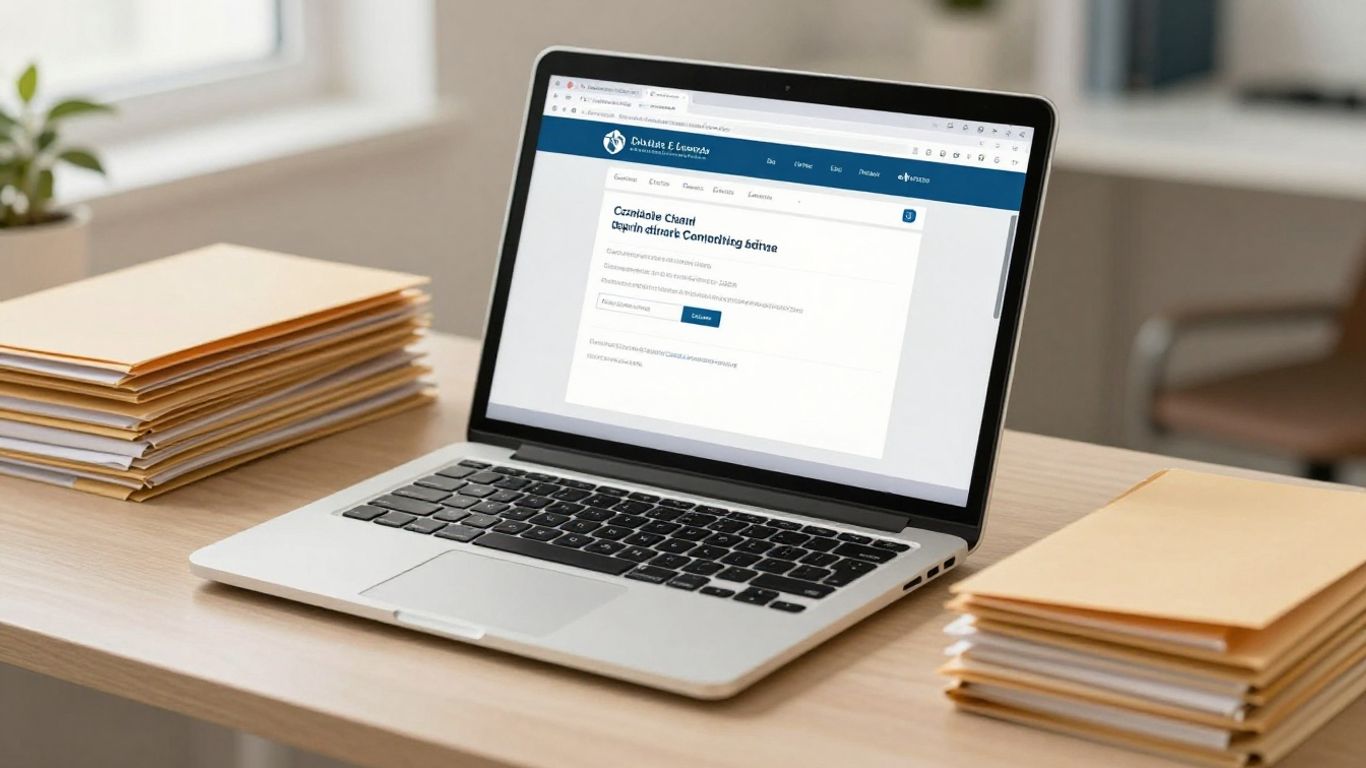
3 Things to Know About CAQH Profile Setup
Key Takeaways
Setting up your profile correctly is the first step toward getting paneled with insurance networks, which is crucial for the financial health of your practice. This article outlines the essential steps and ongoing requirements for managing your provider data.
- Collect all professional licenses and certifications before beginning your registration.
- Ensure your NPI number and taxonomy codes are accurate to avoid processing errors.
- Attest that your information is current at least every 120 days.
- Grant authorization only to the specific payers you genuinely intend to work with.
- Regularly review your profile status to identify and resolve any missing information.
Gather all required documentation and identifiers
Starting your registry process requires a significant amount of administrative preparation to move quickly. Before you open the portal for a DataSpring (formerly CAQH) profile setup, make sure you have digital versions of your medical license, board certifications, and professional liability insurance face sheets. Having these files ready at your desk prevents you from needing to navigate away from the site, which often leads to session timeouts and data loss.
| Document Type | Why It Is Necessary | Retention Requirement |
|---|---|---|
| Professional License | Verified by all payers | Keep current at all times |
| Malpractice Insurance | Confirms coverage limits | Update at every renewal |
| Curriculum Vitae | Educational history verification | Monthly accuracy check |
Organizing these materials in a central folder before logging in makes a major difference in how fast you can complete your entry requirements. Many providers struggle with delays because they lack recent copies of their primary source documents, which forces the payer credentialing team to hunt for missing records later. By ensuring your documentation is perfectly complete before you hit submit, you minimize the common "pend" requests that often slow down the enrollment pipeline significantly.
The importance of ongoing attestation and profile maintenance

Many clinicians mistakenly view their profile as a "one-and-done" task that only requires attention during the initial credentialing phase. In reality, the system relies on regular updates to ensure that insurance companies have the exact information they need to verify your eligibility. If you let your data grow stagnant, you risk having the payers lose track of your current status, which can directly lead to delays in your claims processing or even temporary suspension of your in-network status.
- Review your demographic data for any changes in office address or phone numbers.
- Verify that your current malpractice insurance dates are correctly captured in the system.
- Update your secondary practice locations to reflect where you actually see patients.
- Check your NPI classification to confirm it still represents your current practice type.
Setting a recurring reminder is the best way to handle these requirements without letting the "120-day rule" stress you out. Professional firms like MCM South often emphasize that proactive maintenance is the primary defense against administrative claim denials that happen when a provider’s information suddenly stops matching the payer’s database. By making attestation a part of your quarterly routine, you stabilize your practice revenue and avoid the frantic last-minute rush to update forms when your panel status is on the line.
Directing payer access to your professional data
Once your information is accurate and fully up-to-date, the final step involves choosing which insurance companies have permission to view your record. You should be judicious with these authorizations because the data is shared securely across the network of platforms that MCM South and other billing partners utilize for verification. Only select the organizations where you are actively pursuing a contract, as this keeps your credentialing process focused and reduces the risk of incorrect data exposure to entities that do not manage your account.
If you find yourself overwhelmed by the sheer number of insurance companies in the list, start by filtering for your state and your specific modality. Many providers find it helpful to consult their billing specialist to understand which payers are actually critical for their local market, rather than authorizing every major carrier by default. This high-tactical approach to data sharing keeps your credentialing queue clean and significantly simplifies your ongoing administrative burden over the long term.
Regardless of your technical experience, remembering that your data is a living document is vital for My Profile integrity as you contract with new carriers. When you update your profile, you essentially signal to those authorized payers that your information is ready for their audit. Keeping those channels open and the data accurate is the most reliable way to ensure you continue to see patients while our credentialing for mental health providers helps you focus on the actual therapy session.
Conclusion
Managing your professional platform effectively is an essential habit for any provider looking to scale their practice successfully and maintain a steady revenue stream. By treating your account as a dynamic asset—collecting documents thoroughly, attesting frequently, and authorizing carefully—you can avoid the common pitfalls that lead to payment delays or interrupted network participation. Staying ahead of these administrative requirements ensures that your energy remains exactly where it belongs: on the patients who are waiting for your expert care.
Frequently Asked Questions
How often must a provider formally attest their data?
You are required to attest that your information is current and accurate at least once every 120 days to ensure it remains active for health plan review.
Can my office manager handle the profile updates for me?
Yes, most platforms allow you to designate authorized office staff to act on your behalf, though you are still ultimately responsible for the accuracy of the information provided.
Why do my insurance claims often get denied during the credentialing process?
unmatched data between your profile and the payer’s internal system is the most frequent cause, often resulting from missing attestations or inconsistent demographic details.
Is it possible to share my profile with multiple insurance networks at once?
The system is designed specifically to centralize your information so that all authorized payers can access your credentialing data through a single, secure gateway.
What happens if I miss an attestation deadline for my account?
Your profile will typically be flagged as inactive to insurance payers, which can effectively block new credentialing applications or delay the processing of current work.
Are there specific documents I should always keep in a digital format for updates?
Always maintain current versions of your state license, your professional liability insurance face sheet, and any relevant board certifications in a secure folder on your computer.
Does this process cover my enrollment with government programs like Medicare?
While your profile is used to support these requests, specific government programs often have their own separate enrollment platforms that you must complete alongside your standard profile updates.
Related resources
- CPT and non-E/M code guide
- Credentialing and network status
- State and Regional Billing Guides
- In-network vs. out-of-network credentialing
- Mental health parity
- HIPAA for billing
- Resources hub for behavioral health billing
Ready to hand off the billing? Get a free quote or schedule a consultation with MCM South, a billing service for psychotherapists and psychiatrists.
Comment
Comments are closed.



Pingback: CNH Digital: novas regras mudam a habilitação em 2026 – FBA Global