

DEA Telemedicine Flexibilities Psychiatrists Use: Easy Tips
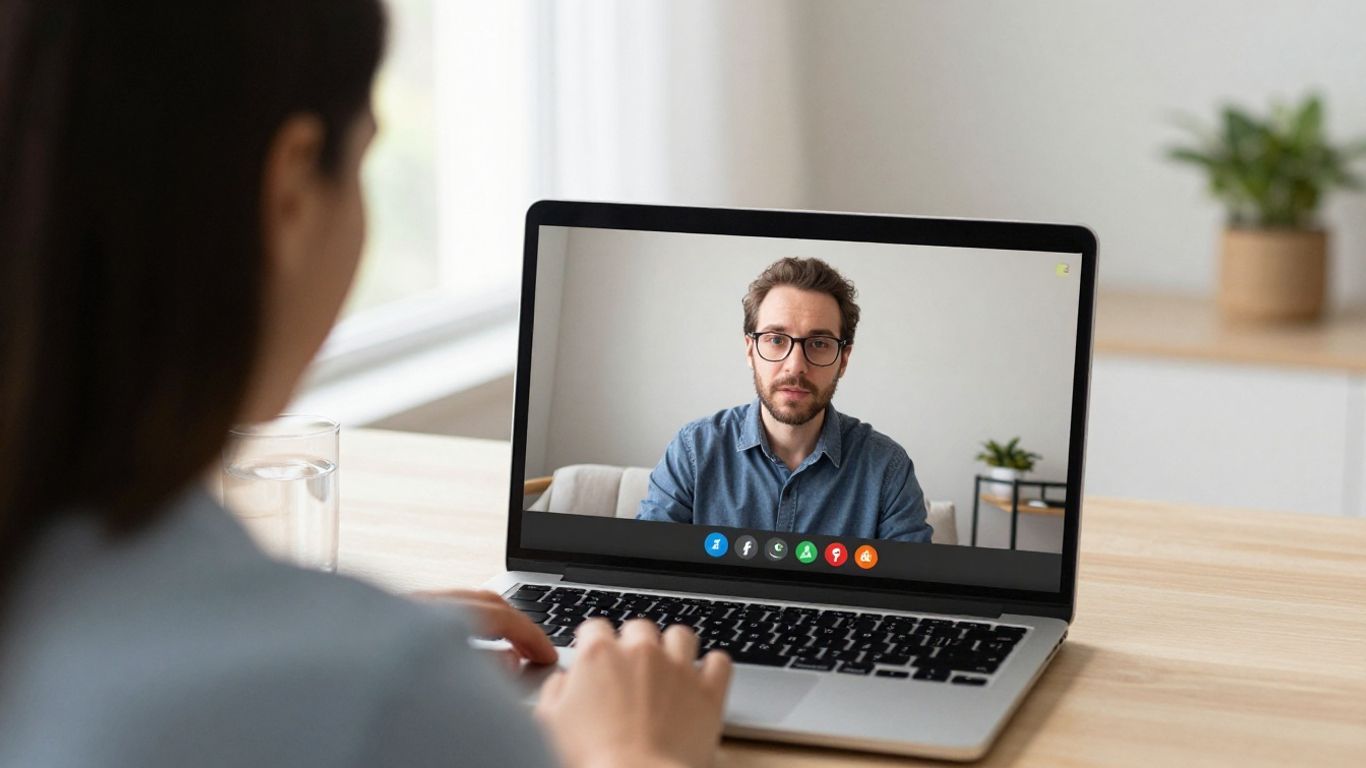
The DEA telemedicine flexibilities psychiatrists use today let a DEA-registered prescriber write controlled-substance prescriptions after a telehealth visit, without a prior in-person exam. Under the Federal Register extension notice (90 FR 61301), they run through December 31, 2026. That date is close, so this is the week to check your registration, your state licenses and your visit documentation.
What changed in the DEA telemedicine flexibilities psychiatrists rely on
The Ryan Haight Act is the federal law that generally requires an in-person medical evaluation before a practitioner prescribes a controlled substance over the internet. During the COVID-19 emergency, the Drug Enforcement Administration (DEA) and the Department of Health and Human Services (HHS) relaxed that requirement. They have extended the relaxation several times.
The most recent step is the Fourth Temporary Extension of COVID-19 Telemedicine Flexibilities for Prescription of Controlled Medications. It was published in the Federal Register on December 31, 2025, in 90 FR 61301, and it covers calendar year 2026. The DEA’s own Diversion Control Division telemedicine page is the place to check for newer notices.
When the DEA telemedicine flexibilities take effect and end
A temporary rule is a rule with a built-in expiration date. This one took effect on January 1, 2026, and expires on December 31, 2026.
The DEA has said for some time that it is drafting updated telemedicine regulations. Until a new notice appears, plan around the December 31, 2026 end date.
Who is affected by the DEA telemedicine flexibilities psychiatrists use
The flexibilities affect any practitioner who holds a DEA registration and prescribes controlled substances by telehealth. For a psychiatry practice, that usually means the prescriber, not the therapist.
- Psychiatrists and psychiatric nurse practitioners who prescribe stimulants, benzodiazepines or other scheduled medications to patients seen by video.
- Group practices where several prescribers share one billing and scheduling team.
- Psychotherapists only indirectly. Therapists do not prescribe, but a patient who loses telehealth access to a prescriber may change how often they attend therapy.
Your own state may add rules on top of the federal ones. A federal flexibility does not override a state license requirement or a state telehealth law.
Practical impact for a psychiatry practice
Prescribing authority and payment are two separate questions, and the DEA telemedicine flexibilities psychiatrists use only answer the first. The DEA decides whether you may prescribe a controlled substance after a telehealth visit. Your payer decides whether it pays for that visit. Keep both in view, because one can change without the other.
Medicare
Medicare coverage of telehealth visits follows Medicare rules, not DEA rules. For the billing side, see our guide to telehealth originating site rules and the federal rules for behavioral health.
Private payers
Each commercial plan sets its own telehealth policy, including which codes, Modifier and Place of Service values it accepts. Our overview of telehealth billing rules by payer shows why you should check each plan separately.
State rules
State licensure, state prescribing rules and state parity laws vary. Read our summary of state telehealth parity law, then confirm the rule in each state where you hold a license. One example of a state acting on DEA status: NC Medicaid’s DEA requirement for prescribers.
What to do next: a Monday-morning checklist
Start with the items you control. None of these depend on what the DEA decides, and all of them protect your practice whether or not the DEA telemedicine flexibilities psychiatrists use are extended again.
- Check your DEA registration. Confirm it is active, lists the right address, and is not near renewal.
- Check every state license. You need a license in the state where the patient sits during the visit.
- Review your EPCS setup. EPCS means electronic prescribing of controlled substances. Confirm each prescriber’s identity proofing and two-factor login still work in your EHR (electronic health record).
- Record the visit modality. Note in each chart whether the visit was real-time video or audio-only, and where the patient was located.
- Match the note to the claim. The Evaluation and Management level and the Date of Service on the claim should agree with the note. See clinical note and CPT code alignment.
- Watch the add-on codes. Psychiatrists who bill an E/M visit plus psychotherapy should review psychiatric add-on claim denials before year-end.
Questions to verify with the payer and your state
Ask these in writing or through the payer portal, and save the answer. Payer answers differ, so never assume one plan speaks for another.
- Does the plan cover video visits and audio-only visits for medication management in 2027, and with which place of service and modifier?
- Does the plan require Prior Authorization for any scheduled medication prescribed after a telehealth visit?
- Does your state board or Medicaid agency add a requirement for prescribing controlled substances by telehealth?
- Does your malpractice carrier have conditions for telehealth prescribing?
Will psychiatrists still be able to prescribe controlled substances by telehealth in 2027?
Nobody can say yet. The DEA telemedicine flexibilities psychiatrists depend on today end December 31, 2026. The extension ends December 31, 2026, and no permanent rule has been announced in the notices we reviewed. The DEA has said it is working on permanent telemedicine regulations, and a new notice could arrive before year-end. Build a plan for two outcomes: the flexibilities continue, or an in-person requirement returns for some patients.
How MCM South helps with DEA telemedicine flexibilities for psychiatry billing
MCM South bills for psychotherapists and psychiatrists, so we help with the billing side of telehealth: clean claims, payer policy tracking and denial follow-up. We do not give legal advice on DEA registration or prescribing authority. Take those questions to your attorney or compliance officer. Our psychiatry billing services page explains how we support prescribers.
Where MCM South works
MCM South works with psychotherapists and psychiatrists in ten currently served states: Georgia, Massachusetts, Connecticut, Texas, Florida, New York, Colorado, Tennessee, North Carolina and Illinois. See insurance company contacts by state, who we serve and the state billing guides. This post is operational guidance for billing, not legal advice.
The short version: dea telemedicine flexibilities psychiatrists
The DEA telemedicine flexibilities psychiatrists use now run through December 31, 2026. Watch the DEA site for a permanent rule. Check your DEA registration, state licenses, EPCS setup and visit documentation now, and ask each payer about 2027 telehealth coverage. More guides are in Resources.
Sources checked (October 29, 2026)
- DEA Diversion Control Division, Telemedicine page
- Fourth Temporary Extension of COVID-19 Telemedicine Flexibilities, 90 FR 61301 (Federal Register document 2025-24123)
Keep going
Related reading
Frequently asked questions
Do the DEA telemedicine flexibilities end on December 31, 2026?
The current temporary rule, published December 31, 2025, runs through December 31, 2026. Check the DEA Diversion Control Division telemedicine page for any later notice before relying on that date.
What is EPCS and do psychiatrists need it for telehealth?
EPCS means electronic prescribing of controlled substances. It is a way of sending scheduled prescriptions electronically with identity proofing and two-factor login. Confirm your EHR and state rules on EPCS with your vendor and state board.
Does DEA telemedicine prescribing authority decide how my claims are paid?
No. The DEA governs whether you may prescribe a controlled substance after a telehealth visit. Medicare, private payers and Medicaid each set their own rules for paying the visit.
What should I document for controlled substance telehealth visits?
Record the visit modality (video or audio-only), the patient’s location, the time, and the clinical basis for the prescription. Keep the note consistent with the E/M code you bill.
Is the DEA telemedicine prescribing 2026 rule the same in every state?
No. The federal flexibility sits on top of state law. Your state license and state prescribing rules still apply in the state where the patient is located.